
Empty nest: redesigning your home for later life
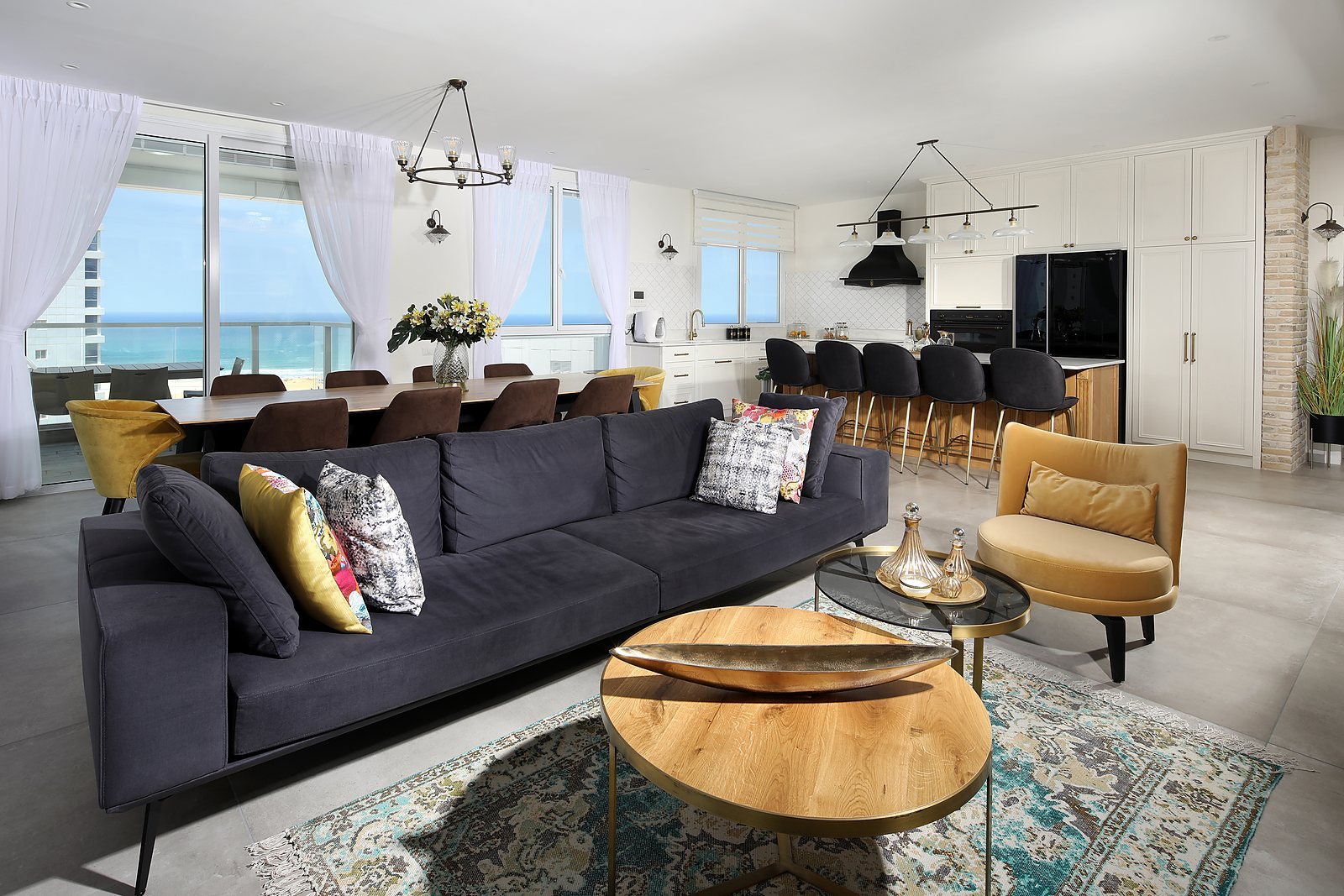
As life expectancy rises, more and more people want to adapt their home to the changes the years bring. Interior design for later life puts comfort, safety and accessibility at its centre, while keeping a refined look that suits each client’s personality and needs.
What makes design for later life different?
It focuses on the practical and the aesthetic in equal measure. The aim is a space that fits a changing way of life, yet is still uplifting and pleasant to spend time in. The main features are:
- Adapting the home to new needs: for many people the home changes once the children leave. It is the time to rethink the space around the wishes of the adults who live there, create more personal rooms and put function and comfort first. Rooms that have been freed up can become spaces for personal interests, such as a study, a craft studio or a room for exercise.
- Full accessibility: adapting the apartment for anyone with limited mobility, including wider openings, handrails and accessible bathrooms.
- Safety: materials and design choices that reduce the risk of slipping and falling, such as anti-slip flooring and strong, well-directed lighting.
- Comfort: ergonomic furniture at the right heights, in soft but durable materials that are easy to maintain and simple to use every day.
- Practical planning: made-to-measure storage with pull-out drawers and easy access to everyday things.
Interior design for later life: creating a space that is comfortable, practical and inviting.
Tips for designing your home in later life
- Natural and artificial light: make the most of daylight and combine it with strong but gentle artificial light. Easy-to-reach switches and smart lighting with remote control are recommended.
- Calming colours: light, soft shades bring a sense of calm and comfort and make a room look larger and brighter.
- The right furniture: choose stable pieces with rounded corners to prevent injuries. Furniture at the right height makes sitting down and getting up easier.
- Safe, accessible bathrooms: the bathroom is one of the most important rooms for safety. Grab rails, shower seats and anti-slip surfaces can all be built in.
- Personal touches: treasured objects, family photographs and nostalgic pieces give a room warmth and a sense of continuity.
How to begin
The process starts with understanding the client’s personal needs. A first conversation identifies the main challenges and the most suitable solutions. Working with a professional interior designer means planning tailored to you and close guidance all the way through.
If you or someone close to you is thinking about interior design for later life, you are welcome to get in touch and start the process of making your home more comfortable, safer and easier to live in.
Want to talk about your home?
In a first consultation call we'll talk about your home, your needs and what's possible. In English or French.
More articles
All articles →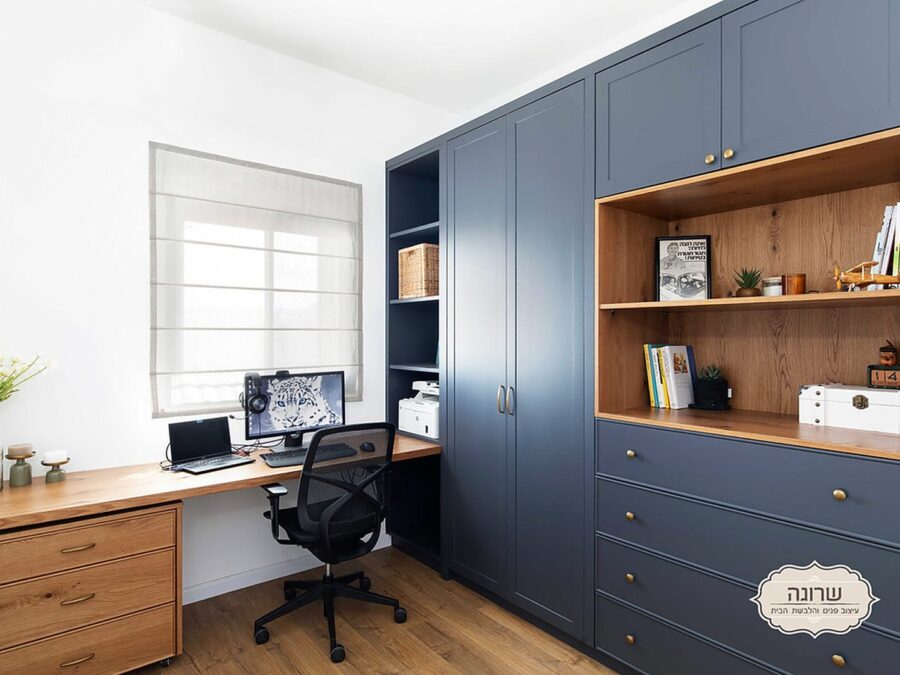 The secrets of storage: how to make any space organised and beautiful
Well-planned storage is the difference between a cluttered room and one that is organised, comfortable and beautiful. Ideas for small spaces, for families with children, and storage that adds value.
Read →
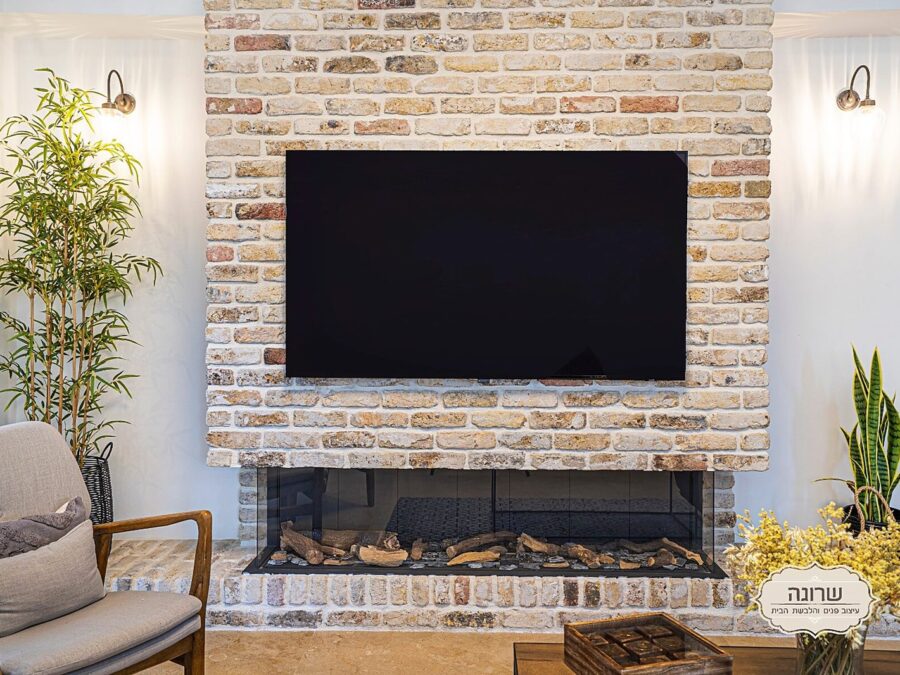 Getting your home ready for winter
Is your home ready for winter? How to make it warm, cosy and beautifully designed for the rainy season: warm colours, gentle lighting and a dedicated winter corner.
Read →